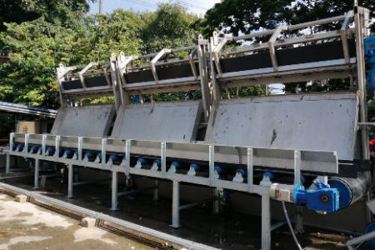
Wastewater treatment plants are facing a more challenging influent environment than ever before, making effective inlet screening a much higher priority. Extreme weather is driving bigger and more frequent peaking events heavily laden with plastics and other non-biodegradable debris, while modern waste stream challenges like flushable wipes, pharmaceuticals that bind to solids, fats, and oils that form fatbergs, and a growing load of non-dissolvable materials are overwhelming systems designed for a bygone era.
At the same time, downstream assets such as pumps, membranes, and biological treatment processes have become more sophisticated and more sensitive, increasing the potential costs of damage, fouling, energy consumption, and downtime when solids break through. Furthermore, inadequate screening heightens regulatory and compliance risk, particularly during wet-weather events, when bypassing or overflow can lead to permit violations, elevated solids in effluent, and increased scrutiny from regulators.
As utilities work to safeguard critical investments, optimize performance, uphold compliance, and maintain reliable service, innovations in screening technology and source-point protection are rapidly advancing to meet the challenges from today’s wastewater.
Emerging Innovations In Screening
Key technological advances in both coarse screens and fine screening equipment are helping utilities meet the modern challenges of wastewater treatment.
One innovation in the realm of fine screening is the reduction of moving parts. New internally fed rotary drum screens eliminate traditional trunnion wheels, chains, sprockets, and similar components, replacing them with a direct-drive arrangement and wear-resistant interfaces that greatly reduce moving parts in the wet zone. This design lowers the likelihood of clogs and mechanical failures and significantly extends equipment life.
Also, we now have an intelligent bar screen that uses self-adjusting, adaptive screening logic that can respond to changing flow and debris conditions in real time. This technology allows the screen to operate with fine openings during normal flows for maximum solids capture, then automatically adjust to wider openings during peak events to preserve hydraulic capacity and prevent overflows. Responsive actions happen without operator intervention, greatly reducing risk when unexpectedly high peak events occur.
Another new screening technology implemented in the collection system, rather than at the WWTP headworks, utilizes augers to directly address the presence of “flushable” wipes and other problematic solids. Innovations include non-clogging and self-cleaning features at the point solids enter the system. Dual counter-rotating augers with brushless self-cleaning technology enables the screen to capture, dewater, compact, and convey debris with very few moving parts in the wet environment, eliminating much of the emergency maintenance associated with conventional grinders or clog-prone screens. Its design removes problematic solids before they can impact pumps and downstream assets, replacing frequent, costly, and reactive cleaning with convenient, scheduled debris pickups.
Early Action Is The Cheapest Action: Cost And Labor Benefits To Utilities
Advanced inlet protection delivers immediate value by stopping solids before they can enter the system, protecting pumps and other critical downstream assets from damage and unnecessary wear. By removing debris at the source, facilities avoid the far higher costs of extracting those materials later or repairing damage caused by fouling and accumulation. Cleaner influent also improves hydraulic and mechanical efficiency, reducing energy consumption, chemical demand, and maintenance labor. With fewer solids reaching the treatment train, plants experience fewer process disruptions, fewer cleanouts, and a notable improvement in overall reliability.
These systems also strengthen long-term financial and operational resilience. By minimizing abrasion, clogging, and fouling, modern inlet protection extends equipment life and helps facilities defer costly capital replacements. It supports sustainability objectives by reducing sludge production, lowering energy use, and minimizing chemical inputs. And as climate-driven volatility increases storm-driven solids and biological loads, upgraded intake screening provides a critical safeguard against unpredictable conditions.
With fewer operators available to manage increasingly complex facilities, preventing solids from entering the treatment train reduces the need for reactive interventions like manual cleanouts, emergency response, and confined-space entry. This is an important benefit as utilities face persistent staffing constraints and heightened safety expectations, allowing operators to focus on process optimization rather than constant debris management.
Case Study: Intelligent Screening Improves Wet-Weather Resilience At Saginaw Charter Township WWTP
The Saginaw Charter Township Wastewater Treatment Plant in Michigan serves a complex influent environment shaped by both sanitary sewage and stormwater runoff. The facility operates two headworks — a main headworks with two influent lines and another serving the neighboring Thomas Township — with combined flows routed through grit removal, primary treatment, secondary treatment, and final clarification. While the plant has a design flow of 4.65 million gallons per day (MGD), wet-weather events can drive peak flows as high as 20 MGD when heavy rainfall coincides with snowmelt. These conditions introduce higher hydraulic loads and large volumes of debris that includes wipes, grease, leaves, trash, wood, construction materials, and other storm-driven solids.
Plant leadership installed an upgrade at its main headworks to address these challenges with an intelligent screening system that had previously been used in a pilot program in a nearby municipality. Under normal operating conditions, the screen uses ¼-inch openings to maximize debris capture and protect downstream equipment. During high-flow events, the adaptive bar screen automatically responds by first increasing rake speed to maintain capacity. If flows continue to rise, the screen can dynamically shift to ¾-inch openings, increasing hydraulic capacity by up to 40%. This flexibility allows the plant to manage peak wet-weather flows without bypassing screening — a common occurrence with conventional systems that can send unscreened debris into the treatment process.
Once the adaptive bar screen was placed into service, plant operators immediately observed improvements throughout the facility. The screen captured significantly more solids and grit before they could reach the grit removal system, reducing operational stress on downstream processes. Fine abrasive material that previously passed through the headworks and accumulated with rags and debris was now being removed earlier, improving overall process efficiency.
Quantitatively, the volume of debris removed upstream increased by roughly threefold. Prior to the upgrade, the grit dumpster required emptying three times per week. After installation, the capacity of grit removal achieved by the bar screen reduced that frequency to once per week. Removing grit earlier in the process has reduced wear on pumps and minimized the accumulation of abrasive material in clarifiers and digesters, helping preserve capacity and make sludge pumping significantly easier.
While the higher level of debris capture does require more frequent emptying of the headworks debris dumpster, operators view this as a favorable trade-off given the substantial reduction in downstream maintenance and operational issues. The system has also demonstrated strong responsiveness to rapidly changing flow conditions, maintaining stable operation without backups, flow restrictions, or wet well slowdowns during peak events.
An Ounce Of Prevention Is Worth A Pound Of Cure
Modern inlet protection is quite simply a cost-effective way to prevent expensive problems from ever happening. With the latest innovations, a strategic investment at the source point is an effective asset performance management approach for facilities seeking stable and efficient operations. By capturing solids before they reach critical equipment, utilities reduce the risk of costly damage and downtime and enhance regulatory compliance by minimizing combined sewer overflows, bypasses, and permit violations. Preventing debris from progressing through the treatment train limits labor-intensive maintenance and high-risk tasks, improving operator safety and allowing staff to focus on higher-value operational priorities. Investments in advanced inlet screening position wastewater facilities to safely and reliably handle the growing variability of today’s waste streams, protect sophisticated downstream assets, and meet the rising expectations for resilient, compliant, and efficient service.